

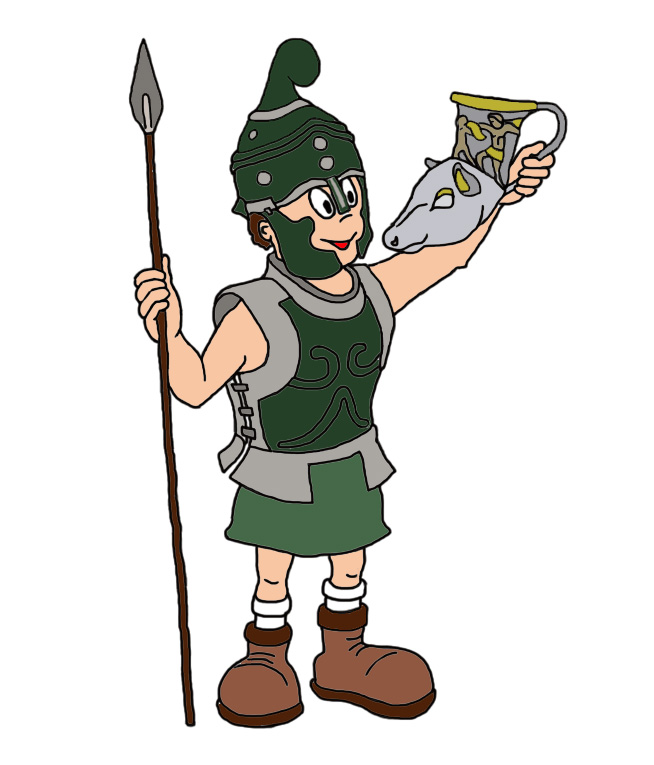

Thracian Horses
Archaeological investigations of Thracian burial mounds from the Late Iron Age reveal ritually slain horses—both riding and chariot horses—along with their bridles, buckles, and gold and silver appliqués that decorated the animals' heads, chests, and flanks. These objects were integral to royal rituals through which the Thracians sought to renew the world and deify the driving forces of life, power, and death. The exceptionally masterful craftsmanship shows archaeologists that only a ruler could afford such luxury. For him, these objects represented distinctive insignia—symbols of his power and might as king, warrior, and priest.
Images of horsemen in military and hunting scenes appear on emblematic discoveries of Thracian culture, such as the treasures from Letnitsa and Lukovit, and in the wall paintings of the monumental tombs near Kazanlak and Alexandrovo. These images are important evidence that, for the Thracians, depictions of horses—known since Homer's time—could be linked to stories of a mythical deity, legendary king, or hero such as "the Thracian Horseman".